

Salt: When, How, and How Much
Salt as the biggest level-up in home cooking. Most home cooks are not salting enough.

Reminder: For the Memorial Day weekend and the launch of Kitchen Sense, I am currently running a Memorial Day discount until midnight tonight! This Lesson of Kitchen Sense is free for everyone; all future lessons will be exclusive for paying subscribers. So get it!
Most home cooking that tastes “fine” is actually undersalted. That’s the secret. End of lesson. JK!
Here’s the deal. You can buy nicer ingredients, follow better recipes, spend more on cast iron, and your dinners will still land in the “fine, I guess” zone because the salt is doing about 20% of the work it could.
Fix salt, and you don’t need to fix much else.
The Skill
Three things matter: when you salt, how you salt, and which salt you use. Get those three right, and you’re cooking with skill instead of simply doing as you’re told.
When. Salt in stages. Never ONLY at the end. Salting needs to be layered.
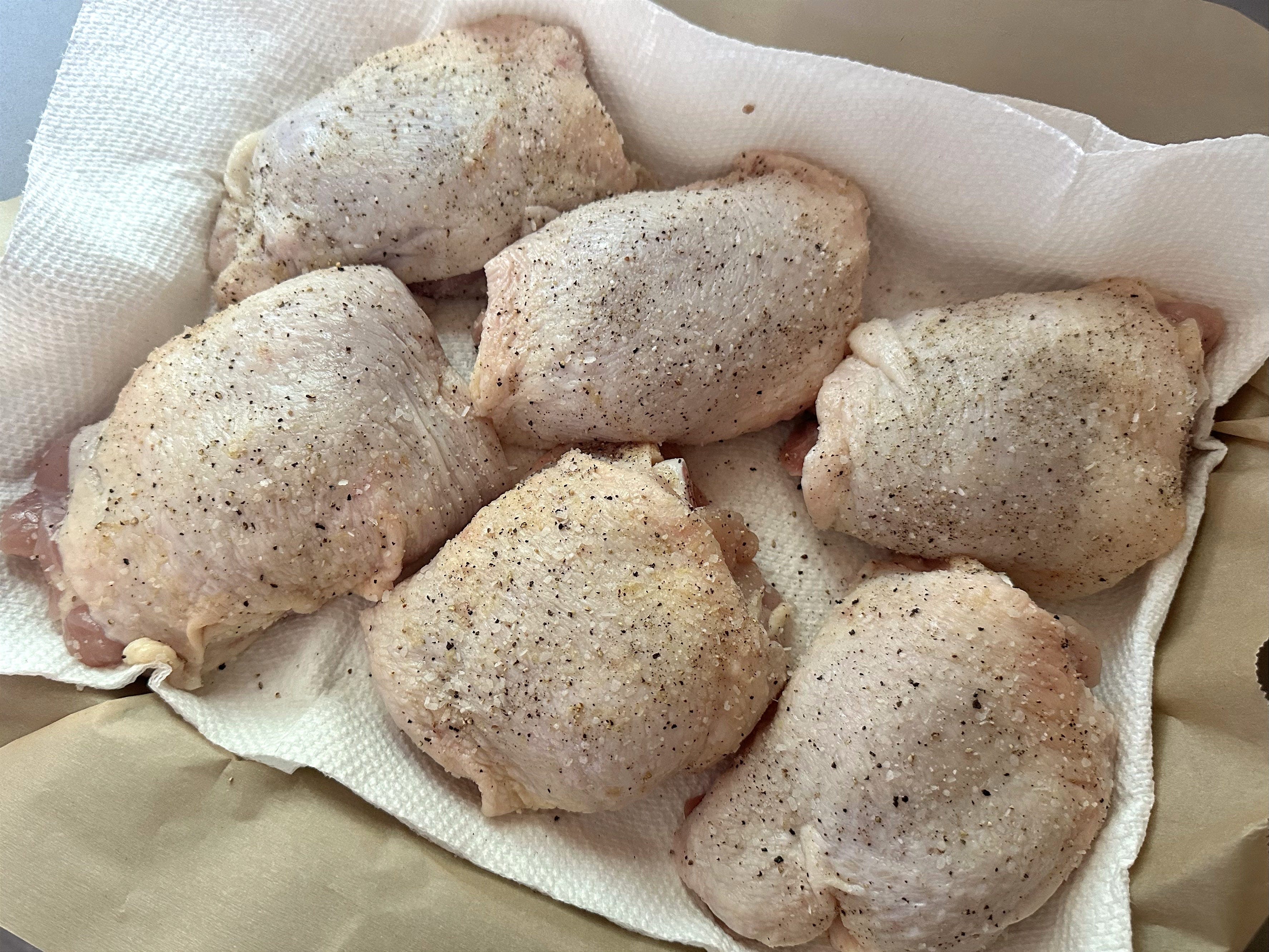
Salt the meat before it cooks. This is called dry brining, and it’s the biggest single upgrade few are doing.
Salt the aromatics as you sweat them in the pan.
Salt the pan sauce as it reduces.
Taste at the end and adjust salt.
Five salt moments in a weeknight dinner are normal. I promise you are not over-salting.
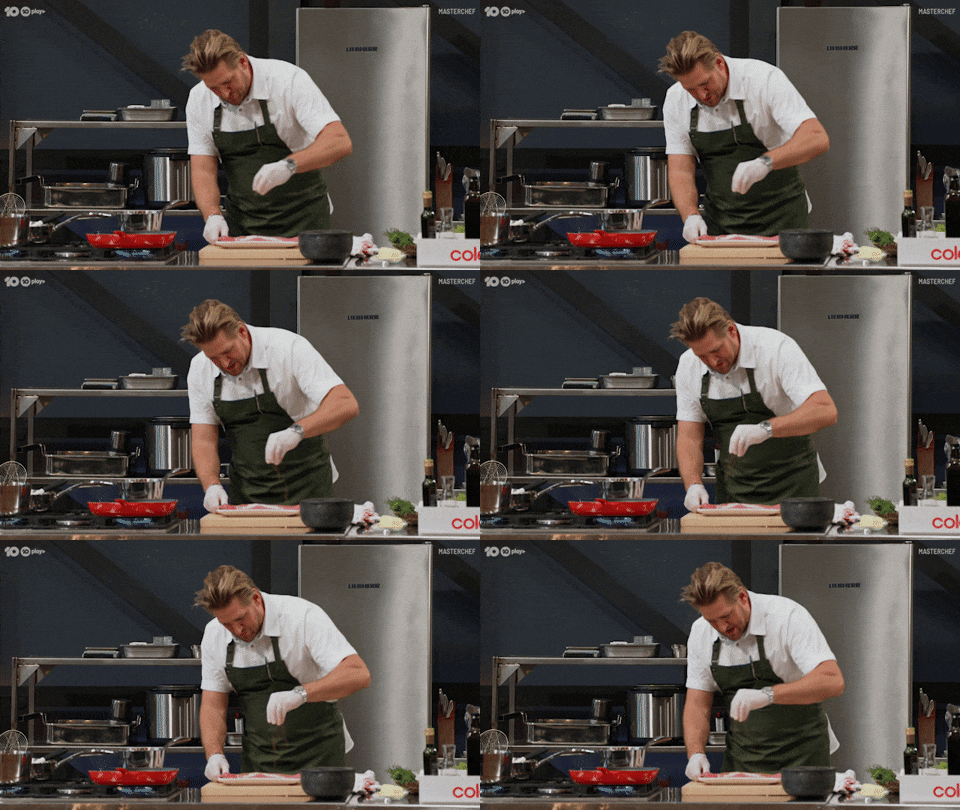
How. Think Salt Bae, minus the dramatic wrist bend. I know he looks ridiculous, but there is a method to his madness. Sprinkle salt from a few inches up, so it disperses evenly. You don’t want pinches dumped in one spot. Watch a good cook salt a steak, and their hand is higher than you’d think, with the salt raining down evenly.
Tip: When I’m salting steaks, chicken, or fish, I hold the cut in one hand over a bowl and sprinkle salt from a few inches above with the other hand, rotating the cut to distribute it evenly on all sides. The bowl catches the runoff, and I use it on the next pass.
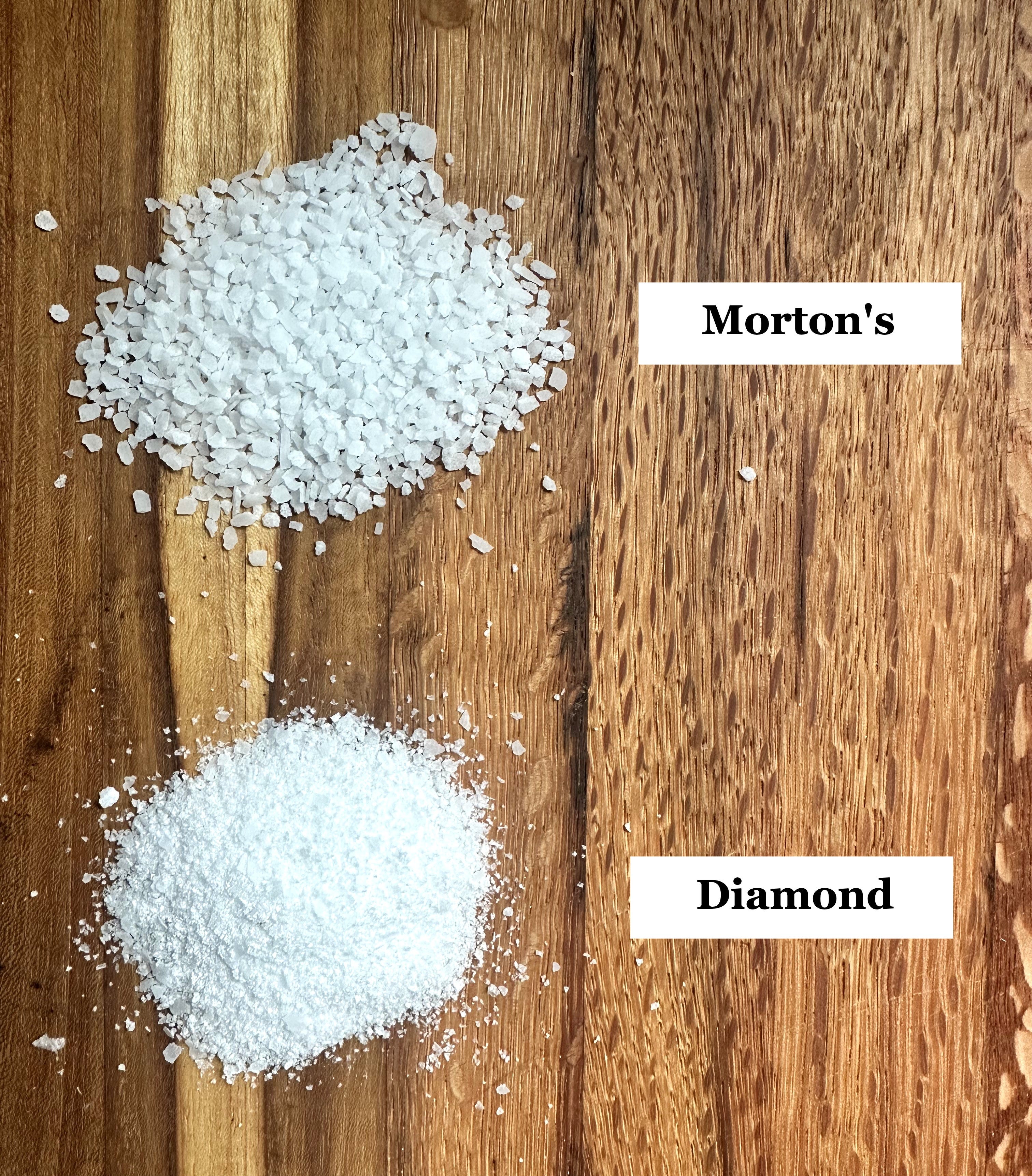
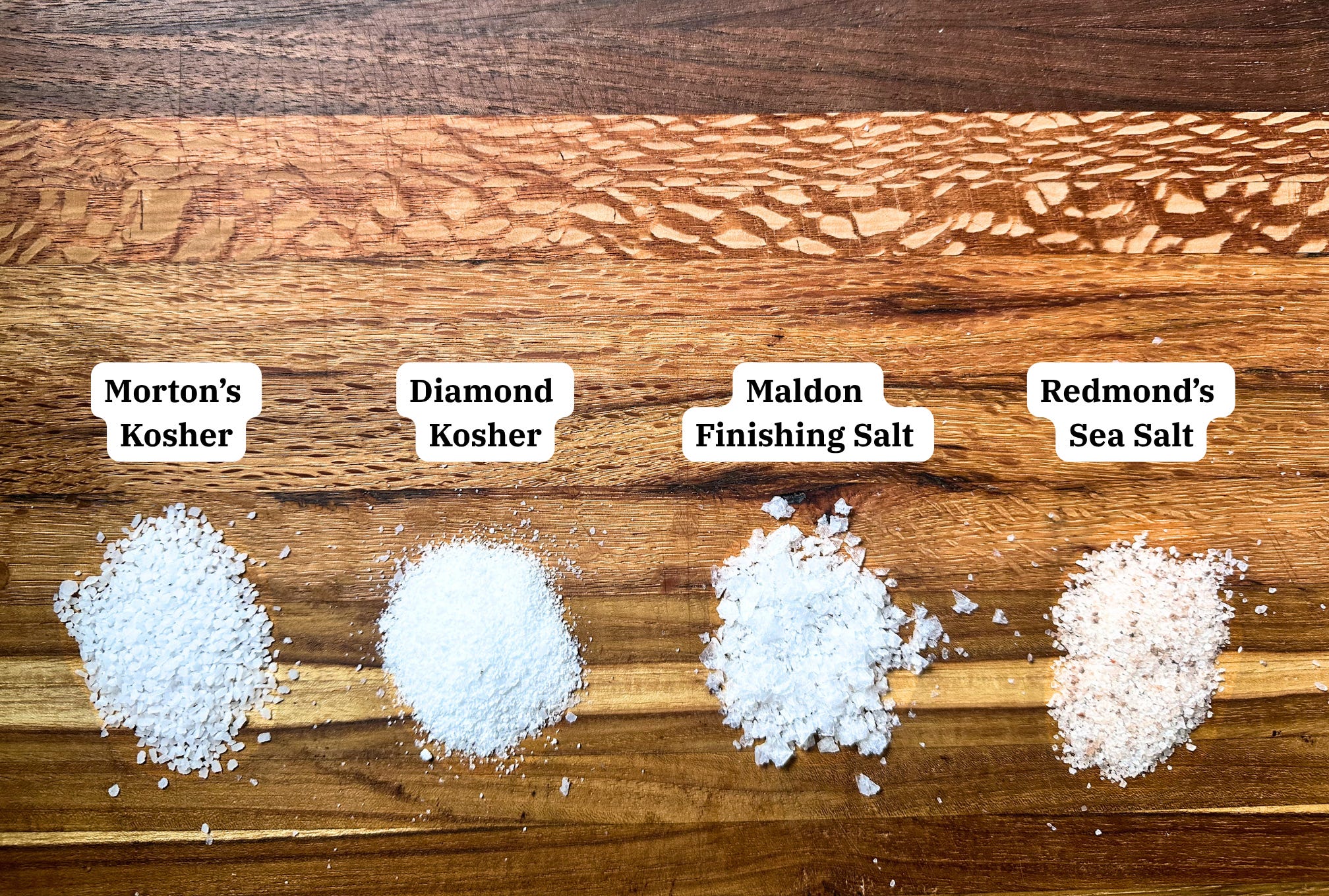
Which. For cooking, use kosher salt. Flaky, forgiving, easy to pick up with your fingers. Diamond Crystal and Morton’s are the two big brands. Diamond is lighter and my personal favorite. The shape of the flake cling you’ll use about 1.5x the volume of Morton’s to hit the same saltiness. For baking, fine sea salt dissolves reliably. For the table, a flaky finishing salt like Maldon. Skip iodized table salt. The iodine has a slight chemical edge, and the fine grain over-salts before you notice.
The Why
Salt needs time to penetrate.
When a salt crystal lands on food, it doesn’t immediately flavor it. First, moisture has to come out of the food and dissolve the crystal. Then that salty liquid gets reabsorbed and disperses through the flesh. The whole process is osmosis, and it’s slow. A thin slice of tomato takes minutes. A chicken thigh takes hours.
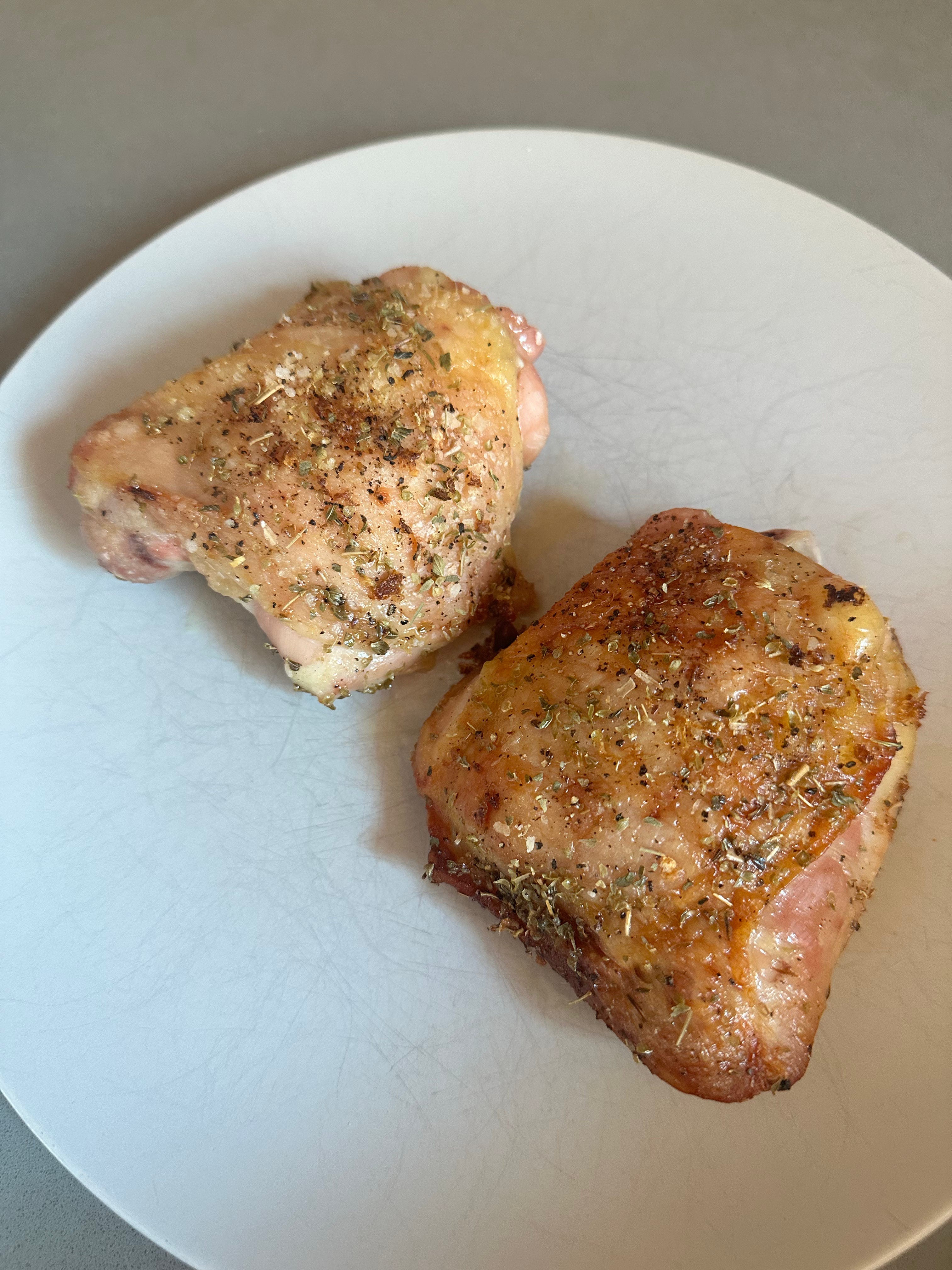
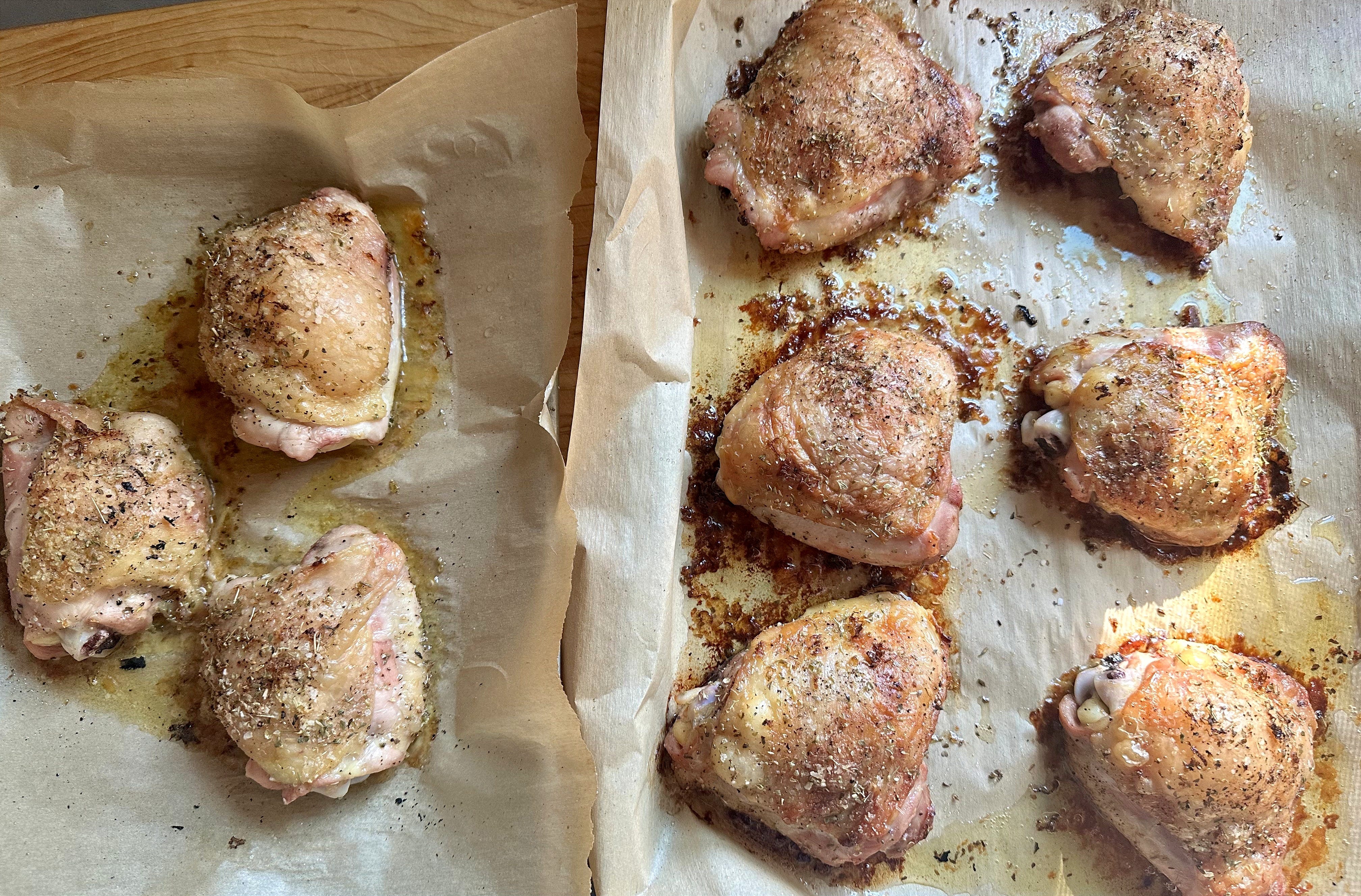
This is why dry brining works so well. Salt the meat for 1 hour (or up to 24 hours) before cooking so the salt has time to penetrate. The result is meat seasoned all the way through, not just on the crust.
People taste dry-brined chicken next to regular chicken and assume the dry-brined version is juicier. It’s not, really. It’s just better seasoned, so it tastes more like itself, and our brains register “properly seasoned” as “juicy and good.”
The juiciness has its own explanation, though. That salty liquid the meat reabsorbs? It holds onto water more stubbornly than plain meat does, so less of it sweats out under heat. That’s why dry-brined meat doesn’t dry out while it cooks. Pretty cool, right?
Caution
Salting only at the end. Even if the amount is right, it’ll taste flat. Flavor has to build through the dish, not get sprinkled on at the finish line. This is a detail all those recipes leave out.
Table salt is not a 1:1 swap for kosher salt. Table salt is way denser; the crystals are smaller and packed more tightly. If a recipe calls for 1 teaspoon kosher, you need about half a teaspoon of table salt. Get this wrong and you’ll over-salt everything and blame yourself.
Tomatoes, cucumbers, and salads are salted 30 seconds before serving. The salt hasn’t dissolved yet. You bite into actual grains and think “this is too salty” when really nothing has been seasoned. Salt those 5 to 10 minutes ahead, minimum.
Underseasoned pasta water. Pasta should taste seasoned before it ever touches the sauce. Your pasta water should taste like the ocean, not like “I added a pinch.” Most home cooks undersalt pasta water by 75%.
Trusting a recipe’s salt amount blindly. Recipes are written by someone using their salt, their palate, their pans, their produce. Season as you go and taste. The recipe is a draft, not a verdict. (See first bullet)
The Everyday Translation
This skill shows up in your cooking more than almost anything else you’ll learn. Five places to put it to work right away:
Flat-tasting soup or stew. Salt twice, once when you sweat the aromatics, and again right before serving. If you only salt at the end, you’re dressing the dish instead of seasoning it.
Gray or bland steak. Dry brine it. Even 40 minutes ahead makes a visible difference, and overnight is better. Steakhouse flavor is mostly salt and time. There isn’t a secret technique.
Roasting vegetables. Salt them BEFORE the oil. Dry vegetables hold salt; oiled ones don’t, and the salt slides right off in the pan.
Bland eggs even with butter. Salt the eggs in the bowl before you scramble, not after they hit the pan. The salt dissolves into the raw eggs and distributes evenly.
Pasta night. Salt the water like you mean it. A tablespoon of kosher salt per 4 quarts of water is the floor. Taste the water — it should taste like mild seawater. If it tastes like tap water, add more.
The Take-Home Pack
Two PDFs are attached to this post. Print them both.

Recipe Card #1 — Dry-brined sheet-pan chicken thighs

Salt Cheat Sheet — One-pager covering salt types, dry brine timings, and the five salt moments you shouldn’t skip. Designed for the fridge.
Next Week: Skill in Action: Dry-Brined Chicken Three Ways
Next month: Heat & the Pan: Why Most Home Cooking Fails at the Stove
Excited for this series! And to impress my foodie husband with some facts 😏
Never dry-brined in my life... Excited to try!!