

The Read: An Express from Philadelphia
Plus: Congress is still fighting over Mr. Jefferson’s draft, and a great many ships have anchored off Staten Island that nobody in New-York much cares for.

The Third Day of July, in the Year of Our Lord 1776
Special Edition. Two hundred fifty years on, near enough, and I still want to know what happened this week before anyone tells me how to feel about it. So tonight, by candlelight and against my better judgment, The Read files from Philadelphia.
In today’s Read:
Congress voted for independence yesterday, the second of July, not tomorrow, whatever the almanacs end up telling your grandchildren. Mr. Adams already wrote his wife that history got the date wrong before history even happened.
The delegates have spent three days taking a blade to Mr. Jefferson’s draft, and the cut that should trouble you most isn’t about the King.
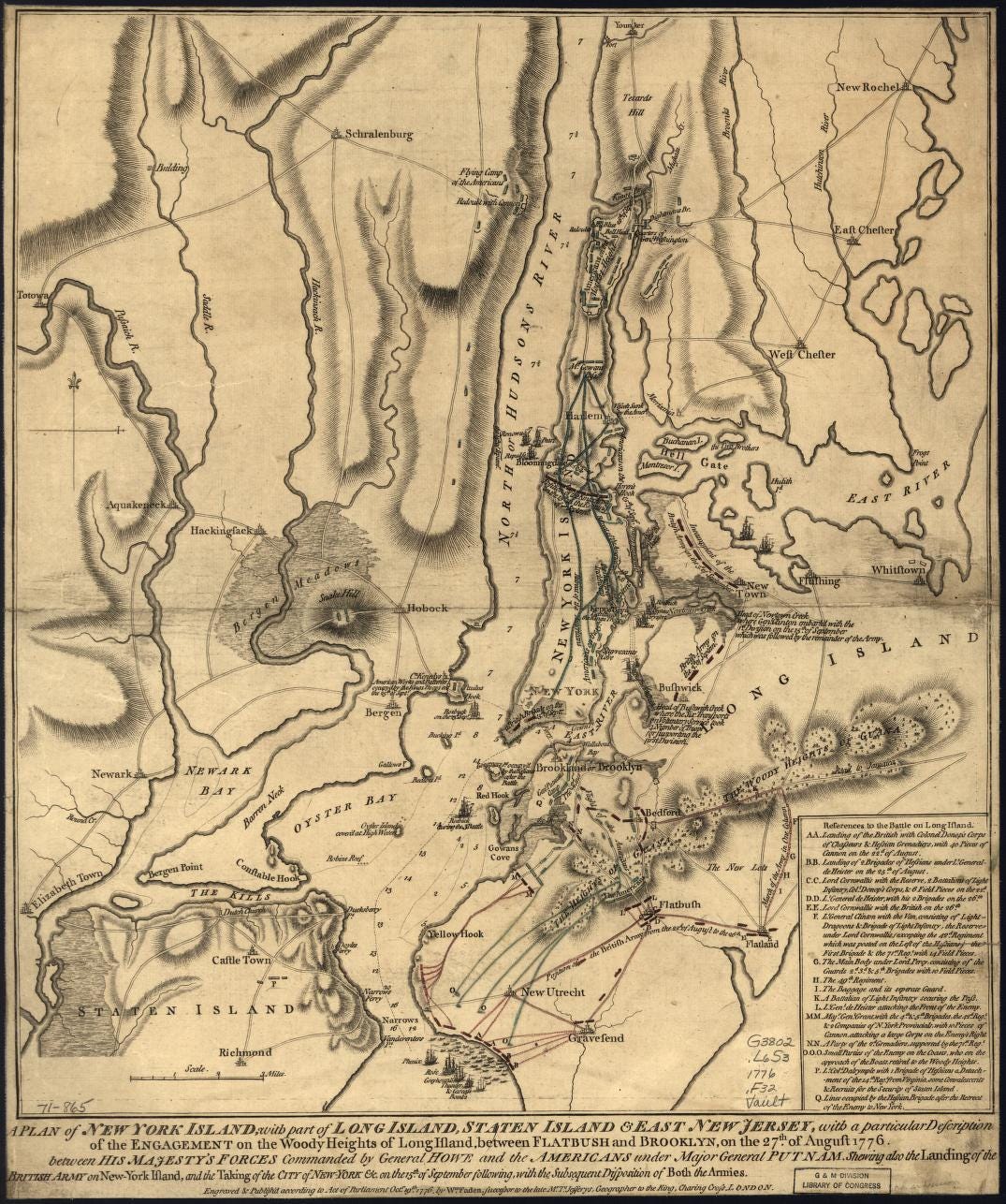
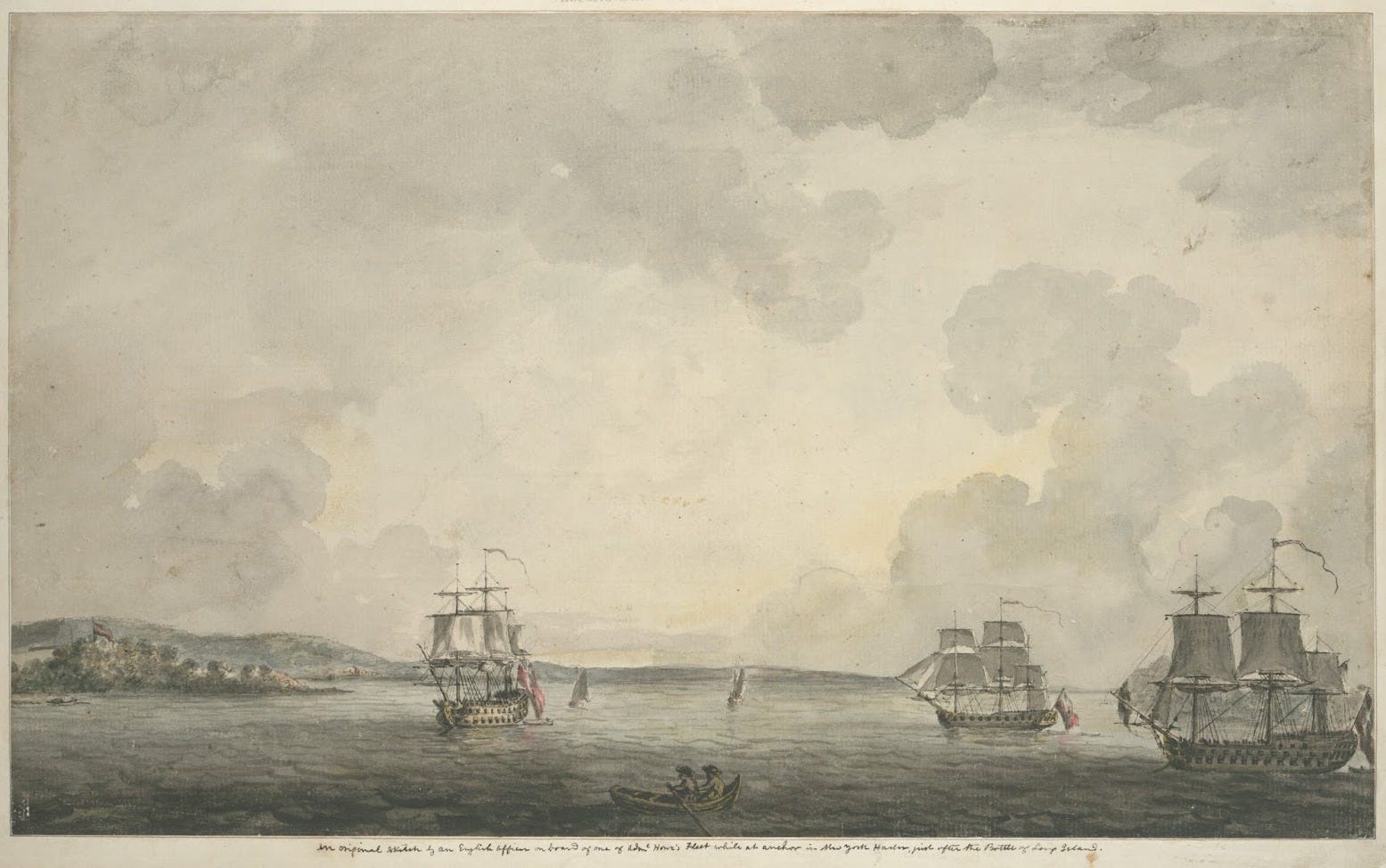
General Howe’s fleet is putting men ashore on Staten Island by the boatload, the largest force the Crown has ever sent across an ocean, and New-York is watching it happen from its own harbor.
Quick Rundown: a hanged bodyguard, a fleet still swelling, an empty Loyalist press with its type melted into musket balls, and a pamphlet still outselling everything in the colonies.
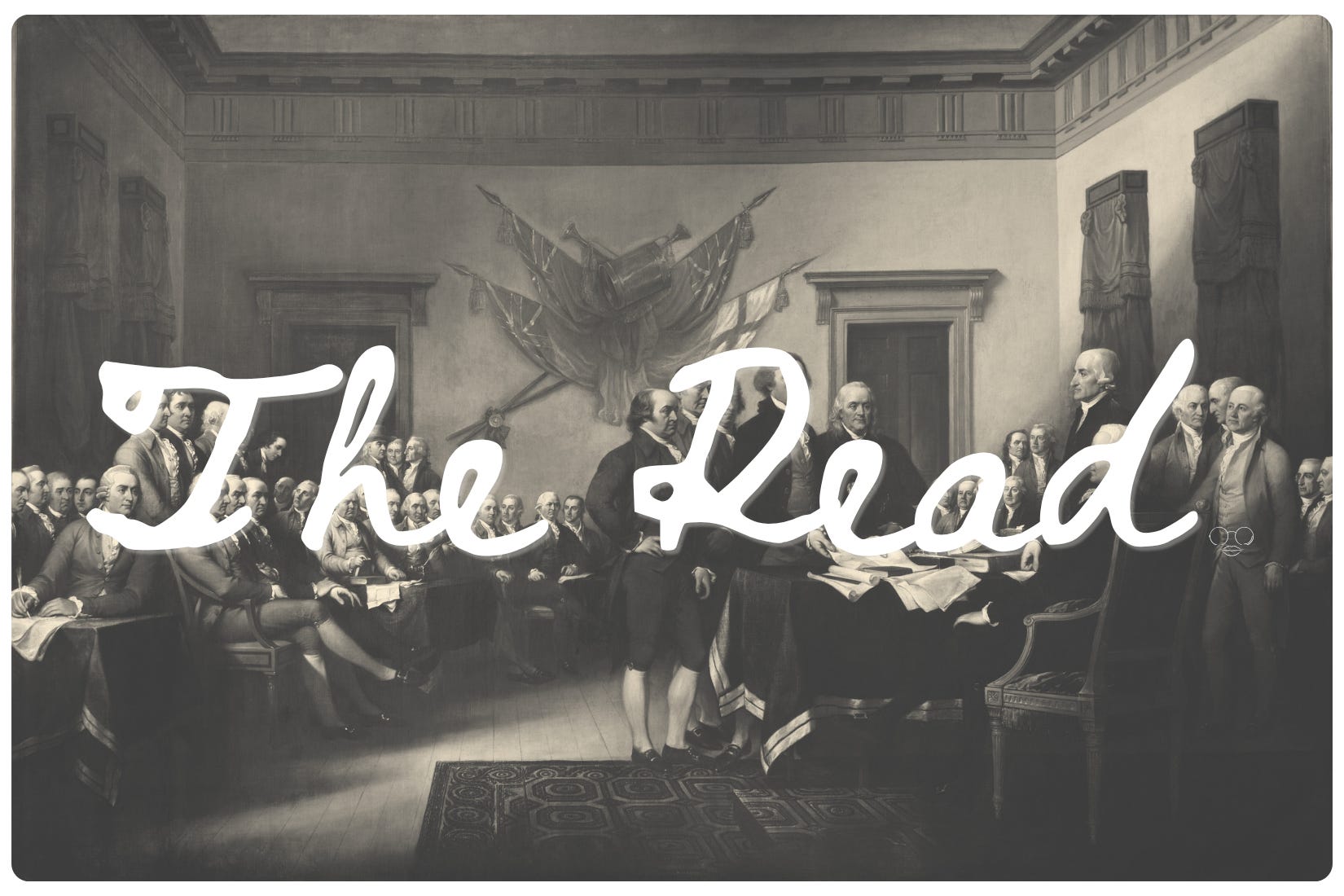


On the second day of July, twelve colonies voted for Mr. Lee’s resolution, that these United Colonies are, and of right ought to be, free and independent States. New-York alone abstained, its delegates still awaiting instruction from home, expected within the week. The vote came only after a night’s worth of arranging: Mr. Caesar Rodney rode near eighty miles through a thunderstorm to break Delaware’s tie, South Carolina’s delegates set aside their objections for the sake of one voice, and two of Pennsylvania’s dissenters simply did not appear, leaving that colony’s remaining men to carry it three to two. Mr. John Adams, writing his wife Abigail the following morning, declared the second of July “the most memorable epoch in the history of America,” one he expected “celebrated by succeeding generations” with “pomp and parade, with shows, games, sports, guns, bells, bonfires, and illuminations, from one end of this continent to the other, from this time forward forever more.”

The Patriot printers say. A deliverance, plain and simple, the thing every broadside from Boston to Charleston has been building toward since Mr. Paine’s pamphlet first put the word “independence” into common speech back in January. The vote itself is being treated as the whole of the matter, the paperwork to follow being a formality Congress will surely settle within days.
What the Crown claims. His Majesty settled this question himself last August, when the royal proclamation declared the colonies in “open and avowed rebellion” and charged every loyal subject to “withstand and suppress” it. By that reading, yesterday’s vote changed nothing legally, twelve colonies of subjects cannot vote themselves out of a kingdom any more than a tenant votes himself out of his lease. There is little more argument than that on offer, and less appetite in New-York to print it since the Sons of Liberty wrecked Mr. Rivington’s press last November and melted his type into musket balls. A newspaper is difficult to publish without any letters left to set.
What neither side will print. Mr. Adams bet on the wrong date, and everyone reading this two hundred fifty years hence already knows it. He picked the vote. History picked the document. Neither the Patriot broadsides nor the Crown’s proclamations spend much ink on the plainer truth underneath both: a vote taken in a closed room in Philadelphia changes nothing on the ground until an army makes it stick, and that army is presently digging trenches in New-York with a much larger one arriving by ship as this is written.

Mr. Adams wrote to his wife with more confidence about a date than I would give to most weather forecasts, and I say that with real affection for the man. He picked the second of July. You will mark the fourth. Off by two days and two hundred fifty years of habit, and there is something delicious about a Founder this certain getting the anniversary wrong while getting everything else right.
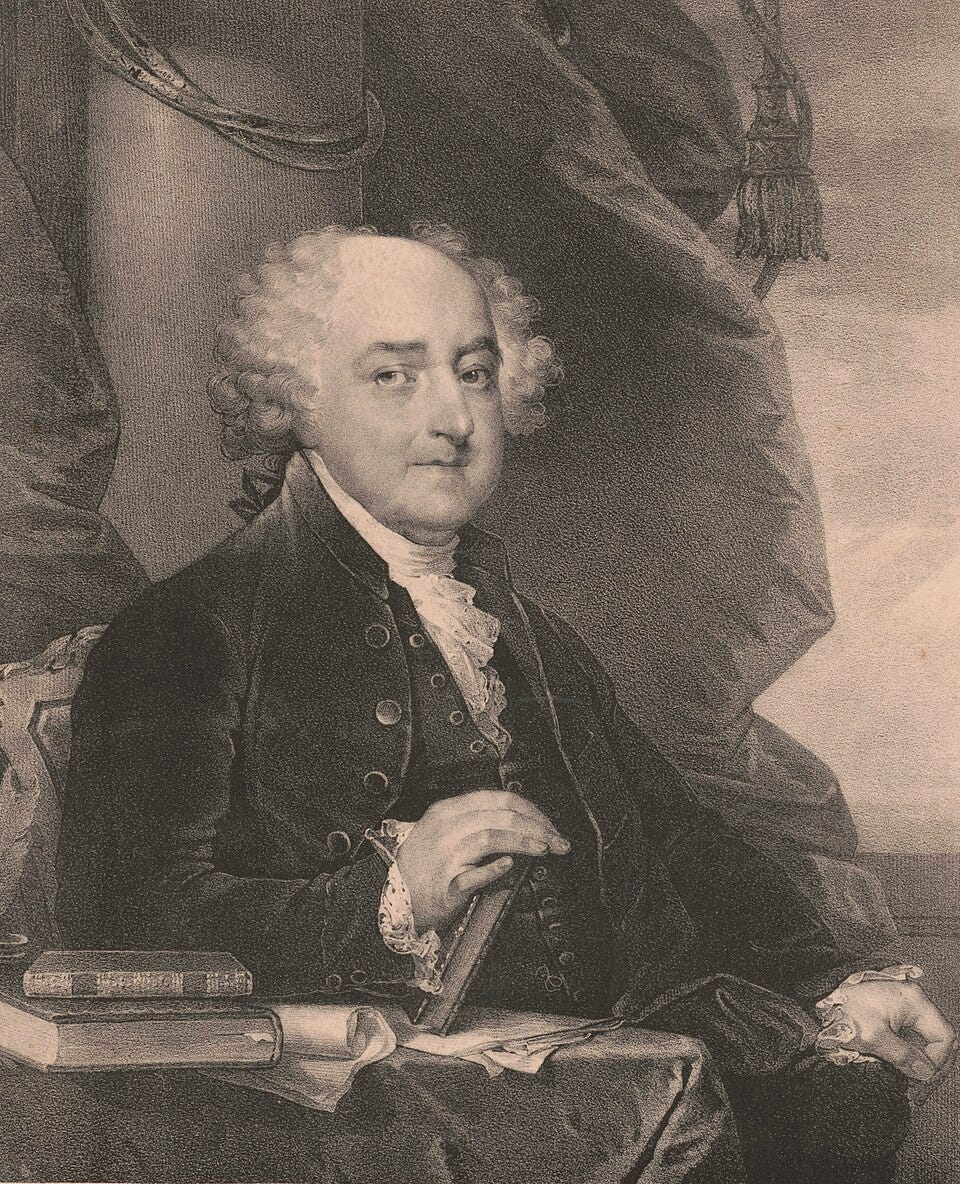
Here is what I will not do: pretend this vote was some safe, symbolic gesture. Twelve colonies just told the most powerful empire on earth, in writing, with their names attached, that they no longer recognize its authority. That is not a petition. That is a declaration of war, and every man who voted for it knew it. A resolution on paper doesn't fight anybody. It is, however, the only thing that turns a scattered rebellion into a country with a reason to win.

I am not interested in pretending both sides of this have an equal claim. The Crown’s argument, dressed up in a royal proclamation, amounts to: subjects don’t get a say, ever, full stop. Twelve colonies just said otherwise, out loud, at the cost of their own necks if this goes wrong. That is the bravest thing printed on this continent all year, and I will take that trade over royal parchment every single time.
So yes, plainly: to vote for independence is to vote for war, the real kind, with real ships already sitting in the harbor. I think it was worth it then. I think two hundred fifty years of receipts prove it was worth it. Watch whether New-York’s delegates fall in line. Watch whether the other colonies ratify what their men already voted. And watch a King learn, the hard way, that a people who have decided they are free do not need his permission to mean it.


General Washington is standing on Manhattan this week, watching the largest invasion fleet Britain has ever assembled sail into his harbor. Here is what the marble statues leave out: he has never won a stand-up fight..
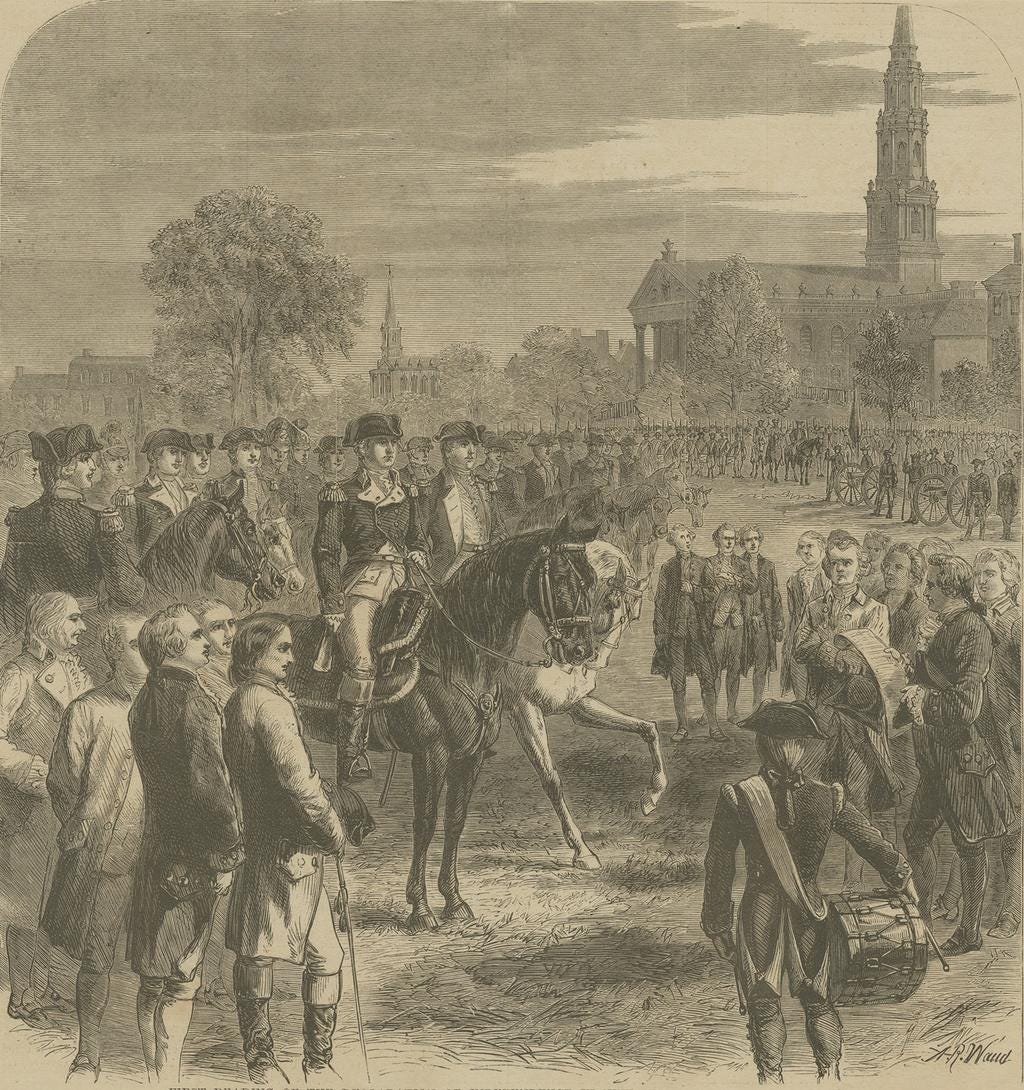
His record, honestly read, is thin. Fort Necessity, 1754: his only formal surrender, terms signed in French he could not read. Braddock’s defeat, 1755: an ambush that killed or wounded nearly nine hundred of thirteen hundred men, Washington one of the few who rode out alive. Boston, this past March, was not even a battle. Mr. Knox’s cannon, hauled from Ticonderoga in the dead of winter, simply made the harbor impossible to hold, and the British left.
That is the man Congress has entrusted with stopping what is anchoring off Staten Island. And within the week, word is he will have the Declaration Congress is still fighting over read aloud to the assembled army right here in New-York City, on the same ground Howe’s fleet is bearing down on now.
I do not count his record against him. A general who has already surrendered once, and watched men die beside him at Braddock's side, has no illusions left about what this costs. A man with a cleaner record might read his troops a declaration of independence for the applause. This one does it already knowing better than to expect an easy win.


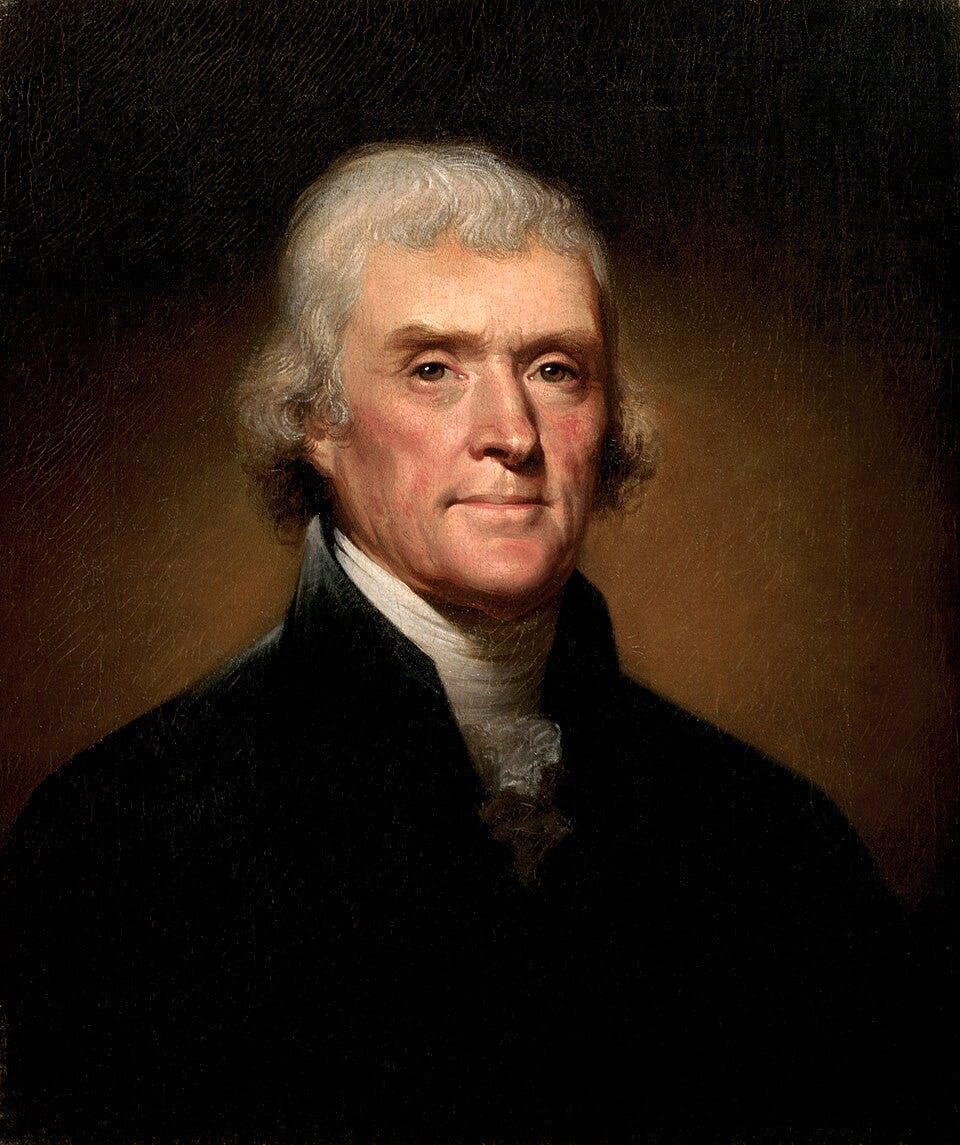
Mr. Jefferson presented his draft declaration to Congress on the twenty-eighth of June. In the days since, the assembled delegates have taken their own pens to it, by Mr. Jefferson’s private account cutting nearly a quarter of what he wrote. Most of the trims are matters of tone, softening his harsher words against the English people themselves rather than only their king. One cut runs deeper.


Mr. Jefferson’s draft accused the King of waging “cruel war against human nature itself” by keeping open “a market where MEN should be bought & sold,” language aimed squarely at the slave trade. South Carolina and Georgia’s delegates would not sit for it, and, by Mr. Jefferson’s own telling, certain Northern delegates whose ships carry that same cargo were not eager to press the point either. The passage is gone. The institution it named is not.
The Patriot printers say. Not a word on this particular cut, which tells you something on its own. The broadsides are occupied entirely with the vote and the coming document’s language on liberty, tyranny, and the rights of man, all of it stirring, none of it inclined to dwell on what got left on Mr. Jefferson’s floor.
What the Crown claims. Even less interest here. A Crown that has spent a decade extracting revenue from these same colonies, slave-trading ports very much included, has no standing to lecture anyone on the point, and to its credit, or perhaps its silence, it has not tried.
What neither side will print. This is the one worth sitting with. A document about to declare that all men are created equal is being edited, this week, specifically to avoid saying anything uncomfortable about the men currently held as property. That is not a footnote. That is the fault line this country will be standing on again in another eighty-some years, and no amount of pomp and illumination changes what got quietly struck from the page to keep two colonies at the table.
I am about as pro-rebel as a woman writing from two hundred fifty years in the future can be, and I still think you should sit with this one rather than skip past it for the fireworks.
A room full of men who are, this very week, writing that all men are created equal, took a blade to the one passage that tried to say the quiet part out loud about slavery. Not because the accusation was false. Because South Carolina and Georgia would not sign a document that named the trade plainly, and because, per Mr. Jefferson's own account, some of the Northern delegates in that room were not exactly neutral parties either. Unity purchased at that price is still unity. I am not going to pretend the arithmetic wasn't real: without those votes, there may be no unanimous declaration at all. But I am also not going to call a wound clean just because it closed the room.

Here is the plain contradiction nobody in Philadelphia this week wants printed: the document argues from a truth it will not fully apply. That does not make the argument wrong. It makes the men making it human, which is a different thing from making them right about where they drew the line.
None of that touches whether independence itself is right. It is. It is the same document’s failure to live up to its own words that will need finishing later, by other Americans, willing to fight for it the same way this room is about to. Watch whether that cut passage ever resurfaces in a future generation’s argument for finishing what this one started. Watch which colonies keep buying and selling human beings long after they’ve finished declaring all men equal. History, so I am reliably informed by people living in it, keeps receipts.
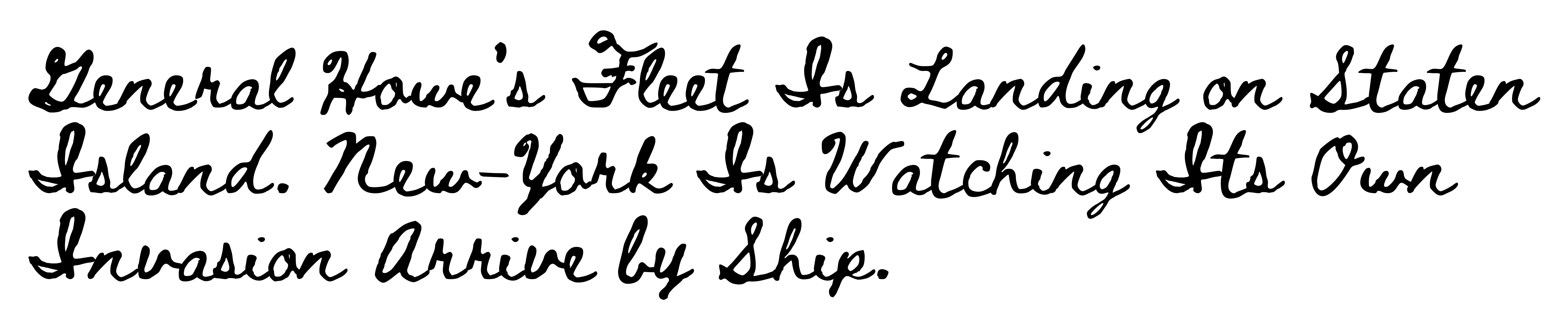
Ships under General William Howe began putting troops ashore on Staten Island this week, part of what will be, once his brother Admiral Richard Howe’s fleet and the reinforcements behind it are fully assembled, the largest expeditionary force the Crown has ever sent across the Atlantic. General Washington’s Continental Army, encamped in New-York City and across the harbor’s approaches since spring, has spent these same weeks digging works at Brooklyn Heights and along Manhattan’s shore, in expectation of exactly this. The city that will, within days, be reading of a vote for independence is simultaneously watching the King’s answer to that vote arrive under sail, in plain sight, from its own rooftops.
The Patriot printers say. Grim resolve, mostly, and a fair amount of bravado layered over real fear. The broadsides frame Howe’s arrival as proof the Crown fears what a free people can accomplish, else why send so many men against so young an army. There is truth buried in the bravado. There is also an awful lot of bravado.
What the Crown claims. This is the argument that requires no ink at all, only ships, and the Crown has sent a great many of those. The message from Staten Island is the plainest one in this entire dispatch: however Congress votes, however elegantly Mr. Jefferson writes, the King intends to settle this with soldiers, not sentences.
What neither side will print. Neither the broadsides crowing about resolve nor the Crown’s silent armada wants to say plainly what any soldier standing watch in Brooklyn already knows: this is an extraordinarily young army, thin on powder and thinner on training, about to meet the largest force Britain has ever floated, and a vote taken in a room in Philadelphia will not stop a single musket ball.
Here is the part that should make your stomach drop a little, two hundred fifty years of hindsight or not. Congress voted for independence with a British invasion fleet already visible from the harbor. Not a threat on paper. Ships, men, guns, arriving by the boatload while the ink on Mr. Jefferson's edits was still wet.
I don't think that's a coincidence worth glossing over for the sake of a tidy anniversary story, and I'm not going to dress it up as some grim accident either. A vote for independence was always a vote for this. You don't get to declare yourself free of the largest empire on earth and expect that empire to shrug and wish you well. A free people doesn't get the freedom part first and the fighting part later, as a treat. Every man in that Congress knew what he was signing meant a King's army on his doorstep, and they signed anyway. That is not recklessness. That is knowing exactly what a thing costs and deciding it is worth paying.

I know how this particular chapter ends, because I have the benefit of living on the other side of it. Washington loses New-York before he wins much of anything, and that is not a spoiler that should comfort anyone standing in Brooklyn this week. But I will say this plainly, because two hundred fifty years buys me the right to: it was worth it. Every bit of it. The men on those Staten Island beaches represent the largest, best-equipped force their king can throw at the idea that people get to govern themselves, and I would take that fight again a hundred times over rather than stay a subject of a crown three thousand miles away that never once asked what the colonies wanted. The fact that the idea eventually wins anyway is the whole point of printing this at all.
Watch how many ships keep arriving after this week’s first landings. Watch whether Washington’s works at Brooklyn Heights hold. And watch what happens when the best-funded army on earth meets an idea it cannot actually kill with cannon fire.

A bodyguard hanged for plotting against his own general. Thomas Hickey, one of General Washington’s own Life Guards, was hanged on the twenty-eighth of June before a crowd of thousands, convicted of conspiring with New-York’s Loyalist mayor, David Mathews, in a plot against the Continental Army’s officers. The city’s mood has not fully settled since.
The fleet keeps growing. More sail arrive in New-York’s outer harbor by the day, and word from correspondents in London holds that German princes have let out their own soldiers for hire to the Crown, to be shipped over once terms are settled. A king fighting his own subjects with rented foreign troops is not, even by 1776 standards, a flattering look.
Mr. Rivington’s press sits silent. The loudest Loyalist voice in New-York has printed nothing since the Sons of Liberty smashed his shop last November and melted his type for musket balls. Whatever argument the Crown has left to make in print, it is not being made from this city.
Powder remains short. Congress and the Army continue to scrape for gunpowder and shot from any willing merchant, foreign or domestic. An army can vote itself into existence considerably faster than it can arm itself.
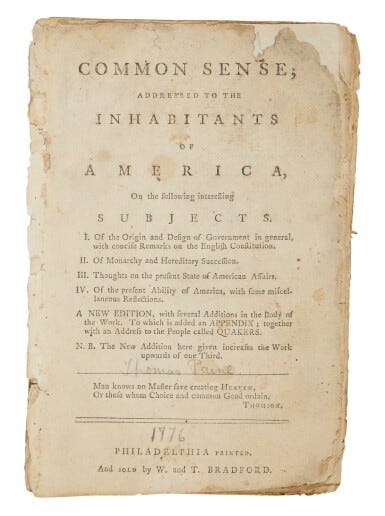
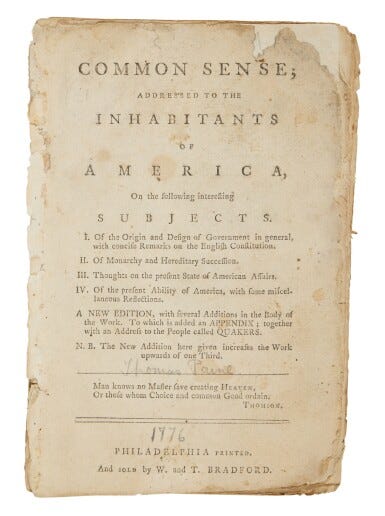
Mr. Paine’s pamphlet still will not stop selling. Common Sense, in print since January, has by most estimates reached well past a hundred thousand copies across colonies that together hold perhaps two and a half million souls. Rarely has so much of a population read the same argument for its own government at the same time.
That’s The Read, filed from Philadelphia.
Back to 2026 on Friday, America is 250 years old! Go celebrate the greatest country on earth. Make a founding father proud!

If a resolution passed in a closed room two hundred fifty years ago is still worth arguing about today, forward this to someone who thinks history is settled.
This was such a fun read thanks for all you do!
Really cool! Like your journalistic presentation applied to our awesome history!